Kennington burial flowers disposal rules and fines
Posted on 04/10/2026
Kennington burial flowers disposal rules and fines: a practical guide for families, visitors, and local florists
If you're trying to understand Kennington burial flowers disposal rules and fines, you're probably dealing with a very ordinary but sensitive question: what should happen to flowers once they've been left at a grave, memorial plot, or cemetery area? It sounds simple until you're stood there with a fading bouquet, a ribbon tied in the drizzle, and no clear idea whether you can take it home, leave it, or put it in a bin. Truth be told, that uncertainty is common.
This guide explains the practical side of flower disposal around burial sites in Kennington, why disposal rules matter, how fines can arise, and what respectful, sensible choices usually look like in real life. We'll also cover common mistakes, local best practice, and a few easy ways to avoid awkward problems later on.
- Why the rules and fines matter
- How flower disposal usually works
- Benefits of following the rules
- Who this guidance is for
- Step-by-step guidance
- Expert tips
- Common mistakes to avoid
- Tools, resources and recommendations
- Law, compliance and best practice
- Options and comparison table
- Real-world example
- Practical checklist
- Conclusion
- Frequently asked questions
Why Kennington burial flowers disposal rules and fines Matters
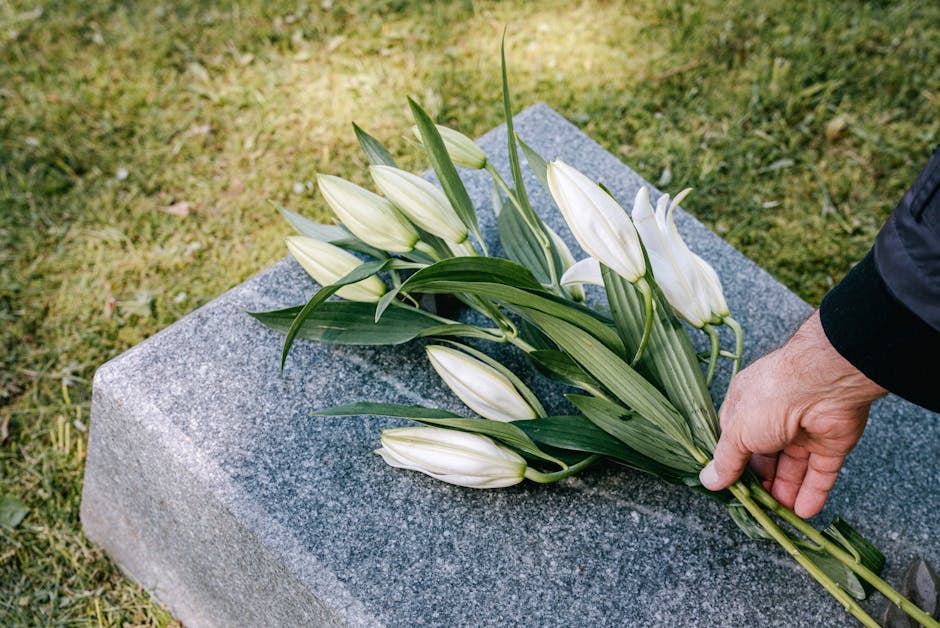
Burial flowers are not just decoration. They are part of grief, remembrance, and family custom. That is why disposal rules around cemeteries and burial grounds are taken seriously. In Kennington, as in much of London, burial sites are usually managed with clear expectations about what visitors may leave, how long floral tributes can remain in place, and what happens when arrangements become wilted or cluttered.
Why does this matter so much? Because burial grounds need to stay safe, tidy, and dignified. Old flowers can block maintenance, attract litter, create hazards near pathways, and make a grave area look neglected even when the family cares deeply. Nobody wants a memorial space to feel messy or abandoned, especially when the flowers themselves were placed with love.
Fines, where they exist, are usually linked to behaviour that breaches site rules rather than the flowers themselves. For example, leaving waste in the wrong place, ignoring cemetery instructions, or dumping large amounts of old tribute material in unauthorised areas may lead to enforcement action. The exact rules can vary by burial ground, council area, or cemetery operator, so it is better to check before assuming. A quick check now can save a slightly embarrassing mess later - and possibly money too.
Expert summary: The safest approach is simple: treat every burial site as a managed space with its own disposal rules, keep tributes tidy, and remove or replace flowers before they become waste. Respectful upkeep is usually welcomed; careless dumping is not.
How Kennington burial flowers disposal rules and fines Works
Most burial flower rules work in a fairly straightforward way. When flowers are left at a grave, they are usually allowed for a reasonable period, but they may need to be removed once they fade, become broken, or start interfering with maintenance. Some sites allow visitors or families to clear old tributes themselves. Others have staff-led maintenance schedules and may remove items as part of regular groundskeeping.
In practical terms, the burial site manager is trying to balance three things: respect for the deceased, accessibility for visitors, and the day-to-day upkeep of the grounds. If flowers are packed tightly around a stone base or scattered across paths, that balance goes out of the window pretty quickly.
Fines usually come into the picture when someone ignores posted rules, leaves garden waste or floral waste where it shouldn't go, or behaves in a way that creates nuisance or obstruction. Sometimes the problem is not a huge one on its own, but repeated non-compliance can trigger enforcement. That is why people often ask about the rules and fines together. They are linked in practice, even if the financial penalty is not the first thing anyone thinks about on a difficult day.
Here's the short version:
- Fresh flowers are generally fine if they are placed respectfully and within site rules.
- Wilted flowers, broken containers, cellophane, wire, foam, and ribbon may need to be removed.
- Do not assume the cemetery bin is for everything. Some sites separate general waste from floral waste.
- If there are signs or instructions, follow them even if another grave nearby looks different.
- Any fine or penalty typically relates to improper disposal, littering, obstruction, or ignoring local instructions.
To be fair, a lot of issues happen because people are grieving and simply do not stop to read the signboard. That is human. But the rules still apply, and burial grounds tend to be more forgiving when people show they are trying to do the right thing.
Key Benefits and Practical Advantages
Following burial flower disposal rules is not just about avoiding a penalty. It makes the whole site better for everyone. That may sound obvious, but in a busy London cemetery, a small bit of care goes a long way.
| Benefit | What it means in practice | Why it helps |
|---|---|---|
| Respectful presentation | Graves remain neat and dignified | Visitors feel the memorial area is cared for |
| Lower risk of fines | You avoid unauthorised dumping or obstruction | No unpleasant enforcement surprises |
| Better maintenance access | Ground staff can mow, sweep, and maintain safely | Less disruption to cemetery operations |
| Cleaner environment | Less plastic, foam, and decaying debris left behind | Improves the look and feel of the burial ground |
| Clearer family decisions | Everyone knows what to do after memorial days or anniversaries | Reduces stress during already emotional visits |
There is also a quieter benefit: you tend to feel better about the visit itself. A tidy, orderly grave often brings a little calm. Not because everything is solved - grief is not neat - but because the space reflects care rather than confusion.
And if you are choosing flowers with disposal in mind, you may find it easier to select arrangements that last well and are easier to manage later. A simple tribute can sometimes be the most thoughtful one.
Who This Is For and When It Makes Sense
This guidance is for anyone responsible for flowers at a burial site in or around Kennington. That includes family members visiting regularly, people arranging a one-off tribute, funeral directors supporting relatives, and local florists preparing memorial flowers. It also helps if you are the person quietly nudging the family group to do things properly. Someone usually is.
It makes sense to think about disposal rules when you are:
- placing fresh flowers at a grave for the first time;
- returning to remove faded tributes after a few days or weeks;
- choosing floral arrangements for a funeral or burial service;
- managing a memorial date, birthday, anniversary, or remembrance visit;
- trying to decide whether to leave, take home, compost, or bin an arrangement;
- concerned about cemetery notices, local restrictions, or possible fines.
If you are ordering flowers rather than carrying them yourself, this matters too. A florist who understands memorial use can help you choose the right style, container, and materials. For example, a simpler tribute may be easier to maintain than a heavily wrapped bouquet. If you are looking for suitable arrangements, funeral flowers in Kennington are a practical place to start.
People often think these rules only matter to cemetery staff. Not really. They matter to visitors, families, and anyone who wants a memorial area to remain tidy without causing extra work for others.
Step-by-Step Guidance
If you want the cleanest way to handle burial flowers in Kennington, follow a simple process. Nothing fancy. Just sensible, respectful steps.
- Check the site rules before you go. Look for signs, plaques, or written guidance from the cemetery or burial ground. Rules can differ slightly from one site to another.
- Choose appropriate flowers. Go for arrangements that suit the memorial setting. Compact bouquets, wreaths, and tribute styles are usually easier to manage than loose decorative displays.
- Avoid unnecessary packaging. Remove excess plastic, paper, foam, and ties where possible. The less non-organic material, the easier the eventual disposal.
- Place the tribute neatly. Keep flowers clear of paths, headstones that need access, and maintenance areas. A tidy placement is always better than a sprawling one.
- Monitor condition after a few days. In warm weather, flowers can fade quickly. In wet, cold weather, they can turn soggy and collapse at the base. London weather does not always make life easy, does it?
- Remove waste respectfully. If the site allows it, take away wilted stems, broken items, and packaging. Use the correct bin or disposal point if one is provided.
- Ask before disposing large amounts. If you are clearing a significant tribute, speak to the cemetery office or grounds team first, especially if there are many flowers or mixed materials.
- Replace only what you need. A fresh, modest arrangement often looks better than topping up a tired one with more clutter.
If you are arranging flowers for the burial itself, consider timing as well. Flowers delivered too early may not last through the service, while flowers delivered too late can miss the moment completely. For local arrangements, flower delivery in Kennington can help with timing, and if you need something urgently, same-day flower delivery in Kennington is often the more practical choice.
One small tip from experience: carry a spare bag. It sounds basic, almost silly, but it makes removing old ribbon, cellophane, and damp packaging much easier. Small thing, big difference.
Expert Tips for Better Results
Here are the things that tend to make the biggest difference, especially if you want a memorial display to stay tidy and compliant without much fuss.
- Choose flowers with longevity. Carnations, chrysanthemums, lilies, and mixed tribute arrangements often hold up well. If you are selecting by style rather than occasion, browse a broad range like all flowers or suitable sympathy flowers.
- Keep containers stable. Loose vases, lightweight plastic, and awkward wrap can topple over. Stable mechanics matter more than people realise.
- Think about weather. Rain can flatten lightweight blooms; hot spells can shorten lifespan fast. A well-chosen arrangement for a cool March morning may behave very differently in a bright July afternoon.
- Do not mix tribute waste with general litter. If the cemetery asks for floral waste to be separated, follow that instruction.
- Use a restrained colour palette when appropriate. Whites, soft pinks, lilacs, and muted mixed arrangements often suit burial spaces well. If you want to keep things understated, white flowers, purple flowers, or mixed colours can all work depending on the family's preference.
- Ask the family first if you are not the primary contact. It avoids awkwardness. A grave can be a deeply personal space, and small decisions matter more than people expect.
If you are dealing with funerals often, you will notice that the best-looking memorials are not always the biggest. They are usually the most considered. A smaller tribute placed thoughtfully beats a sprawling display that falls apart by the second day.
And yes, there is a bit of common sense involved. A surprising amount, actually.
Common Mistakes to Avoid
Most problems around burial flower disposal are avoidable. They usually come from hurry, assumption, or a genuine misunderstanding of the site's rules.
- Leaving packaging behind. Cellophane, tape, ribbon, and foam do not belong in a memorial area once the flowers have faded.
- Blocking access routes. Flowers placed across edging stones, walkways, or maintenance strips can cause problems for grounds staff and visitors.
- Assuming every cemetery has the same policy. It does not. One site may be flexible; another may be more formal.
- Using the wrong bin. Some sites separate garden waste, floral waste, and general rubbish. A bin is not automatically a free-for-all.
- Leaving damaged containers in place. Broken glass and cracked plastic can be a hazard.
- Ignoring repeated notices. If a memorial area has been marked for clearance, the site is telling you something. Best not to test patience.
- Over-ordering large arrangements. Bigger is not always better. It can create more waste, more clutter, and more expense.
One slightly awkward but real issue is that people sometimes tidy a grave in good faith and then leave the removed items in the nearest hedge, corner, or wall space. That is still disposal, but not necessarily the right kind. If you are unsure where something goes, ask. It saves everyone a headache.
Tools, Resources and Recommendations
You do not need specialist equipment to manage burial flowers properly, but a few simple items make the job easier.
- Small garden gloves for removing wet stems and old foliage.
- A reusable bag or bin liner for packaging, ribbons, and trimmed waste.
- Secateurs or scissors for neatening stems before placing fresh flowers.
- A handkerchief or cloth for wiping muddy vase bases or memorial ledges.
- A note of the cemetery's instructions if the site has written rules or opening guidance.
For families and funeral planners, a florist that offers a proper range of tribute styles can be helpful, especially when the flowers need to look appropriate and last well. You may want to explore funeral tribute options, tributes, or wreath-led designs such as wreaths. For a softer style, baskets and posies can also be a good fit.
If you need to compare broad options quickly, a florist-led choice can save time. In many cases, the most useful starting point is a balanced arrangement that looks respectful, is easy to place, and does not create extra mess later. If you want something more premium, luxury flowers may suit a larger family tribute; if you want to keep costs modest, cheap flowers in Kennington can be a sensible alternative without losing dignity.
Law, Compliance, Standards, or Best Practice
There is no single universal rule for burial flower disposal in every cemetery, and that is the key point. Compliance usually depends on the local burial ground's own regulations, the managing authority's instructions, and wider expectations around littering, nuisance, safety, and respectful use of public or managed spaces.
In simple terms, the safest approach is to treat any written instruction or notice on site as binding for that location. If a cemetery says flowers must be removed after a certain period, or only certain containers are allowed, that is the rule you should follow. If the grounds team asks you not to place plastic or glass items in a specific section, take that seriously too.
Best practice usually includes:
- keeping tributes neat and proportionate;
- removing non-biodegradable waste where possible;
- not dumping floral waste in unapproved areas;
- following staff instructions about clearance periods;
- making sure large memorial displays do not obstruct maintenance or access;
- checking whether the site has its own fines or enforcement process for breaches.
Where fines are mentioned, they normally relate to breach of site rules or environmental enforcement rather than a penalty for simply placing flowers. So the practical risk is usually avoidable. That said, if you are unsure, ask the burial ground or the site manager directly before doing anything unusual.
For families arranging a service, the most trustworthy path is a simple one: use appropriate flowers, keep the memorial area tidy, and respect the burial site's procedures even if they differ from another cemetery you have used before. Rules can feel a bit rigid at a difficult time, but they exist to keep the place calm and dignified for everyone.
Options, Methods, or Comparison Table
There are a few sensible ways to handle burial flowers once they have started to fade. The right choice depends on the site's rules, the type of tribute, and how much waste is involved.
| Method | Best for | Pros | Possible downside |
|---|---|---|---|
| Leave in place for a short time | Fresh tributes, short visits, immediate post-service arrangements | Simple and respectful | Needs checking later; can turn messy if forgotten |
| Remove and bin correctly | Wilted flowers, broken containers, packaging | Keeps the site tidy | Requires a proper waste point |
| Take home for composting | Biodegradable flowers and foliage | Environmentally sensible | Not suitable if stems include wire or foam |
| Replace with a new tribute | Anniversaries, birthdays, memorial dates | Keeps the grave looking cared for | Can be wasteful if done too often |
| Use a longer-lasting memorial style | Regular visitors who want less maintenance | Less frequent disposal needed | May cost more upfront |
If you are choosing a tribute for a regular memorial visit, a longer-lasting design may reduce the disposal burden later on. That can be a real relief, especially if family members live far away or cannot visit very often. A compact, durable design is often more practical than it sounds.
Case Study or Real-World Example
Here's a very ordinary example, but it captures the point well.
A family visited a grave in Kennington after a memorial weekend. They had left a mixed bouquet, two ribbon ties, and a plastic wrapping collar from the florist. A week later, the flowers had wilted, the water in the vase had gone cloudy, and a few loose stems had blown onto the path. Nothing dramatic. Just the usual gentle mess that happens when flowers stay a little too long.
One relative thought the easiest thing would be to tuck the waste behind the stone for later. Another noticed a sign about disposal and decided to take the stems and packaging away instead. They checked the site instructions, used the designated waste point, and kept the base clear. No fuss, no complaint, no possible fine, and the grave looked cared for rather than abandoned.
That tiny choice made a difference. It avoided awkwardness with staff, kept the area clean for other visitors, and made the next visit more peaceful. Sometimes that is all this topic really comes down to: one small decision, made on time.
Another common scenario is when a florist delivers a memorial tribute for a burial service. If the flowers are intended to remain at the grave, the family may want to choose arrangements that can be removed cleanly later. In that case, looking at sympathy options or a more structured design such as sprays can make the eventual disposal easier.
Practical Checklist
Use this checklist before and after placing burial flowers. It is not glamorous, but it works.
- Have I checked the cemetery or burial ground rules?
- Do I know whether the site allows flowers to remain for a specific period?
- Have I removed unnecessary packaging, tags, or loose plastic?
- Is the tribute stable and positioned neatly?
- Will the flowers block access or maintenance work?
- Do I know where to dispose of wilted stems and wrapping later?
- Have I chosen flowers that will age well in the current weather?
- If there is a family preference, have I respected it?
- Am I clear on whether the site uses any fines or penalties for non-compliance?
- Have I planned a return visit or reminder to clear the flowers when needed?
Quick practical rule: if something looks like general rubbish, it probably should not be left near a grave; if it looks like a tribute, keep it tidy until it is ready to be removed properly.
Get a free quote today and see how much you can save.
Conclusion
Kennington burial flowers disposal rules and fines can sound like a dry subject, but in real life it is about respect, clarity, and avoiding unnecessary problems at a sensitive time. The safest approach is usually straightforward: follow the site rules, keep tributes tidy, remove waste properly, and choose arrangements that suit the memorial space.
If you are visiting a grave, planning a funeral tribute, or simply trying to do the right thing for a loved one, a little care goes a long way. You do not need to overcomplicate it. Read the signs, ask when unsure, and keep the memorial area dignified. That is usually enough.
And honestly, that quiet bit of care is what people remember.
Frequently Asked Questions
What are Kennington burial flowers disposal rules and fines in plain English?
They are the local rules that explain how long flowers can remain at a grave, how to remove faded tributes, and what happens if waste is left in the wrong place. Any fine usually relates to rule-breaking, not to flowers themselves.
Can I leave flowers at a grave in Kennington for as long as I want?
Usually not. Many burial grounds have their own expectations about how long tributes can stay before they need clearing. Always check the site's instructions rather than guessing.
What happens to wilted burial flowers?
They are often removed by family members or grounds staff and placed in the correct waste area. The exact process depends on the cemetery's rules and whether it separates floral waste from general rubbish.
Can I be fined for leaving flowers at a grave?
Leaving flowers respectfully is normally fine. A penalty is more likely if you ignore site rules, dump waste in the wrong place, obstruct access, or leave non-permitted materials behind.
Are artificial flowers allowed in burial grounds?
That depends on the burial ground. Some sites allow them, some restrict them, and some prefer natural flowers because they are easier to maintain. Check the local rules before buying.
What is the best way to dispose of funeral flowers after the service?
If they are biodegradable, you may be able to compost or bin them in the correct waste point. Remove ribbons, wire, foam, and packaging first if the site does not accept mixed materials.
Do I need permission to remove old flowers from a grave?
In many cases families can remove their own tributes, but if you are clearing a large memorial or moving other people's flowers, it is wise to ask the cemetery office first.
How long do burial flowers usually last in the UK?
That depends on the flower type, weather, and placement. Some last only a few days in warm conditions, while sturdier blooms can stay presentable for longer. Wet weather can shorten lifespan quickly.
What flowers are easiest to maintain at a grave?
Flowers that hold their shape well and do not shed too much are usually easier to manage. Many people choose sturdy tribute styles, compact sprays, or wreaths because they age more gracefully.
What should I do if I'm unsure about the cemetery rules?
Ask the cemetery office, burial ground manager, or grounds team before placing or removing anything unusual. That is the simplest way to avoid mistakes and possible penalties.
Is it better to choose fresh flowers or artificial ones for a memorial?
Fresh flowers feel traditional and natural, but they need replacing more often. Artificial flowers last longer, though some burial grounds restrict them. The right choice depends on the site and the family's wishes.
Can a florist help with burial flower disposal concerns?
Yes. A good florist can suggest arrangements that look appropriate, last well, and are easier to clear away later. For example, a balanced memorial style is often more practical than a very elaborate display.
What is the safest thing to do if I do not want to risk a fine?
Follow the burial ground's written instructions, avoid leaving packaging behind, keep the grave area tidy, and ask before disposing of anything large or unusual. Simple and careful is usually best.